



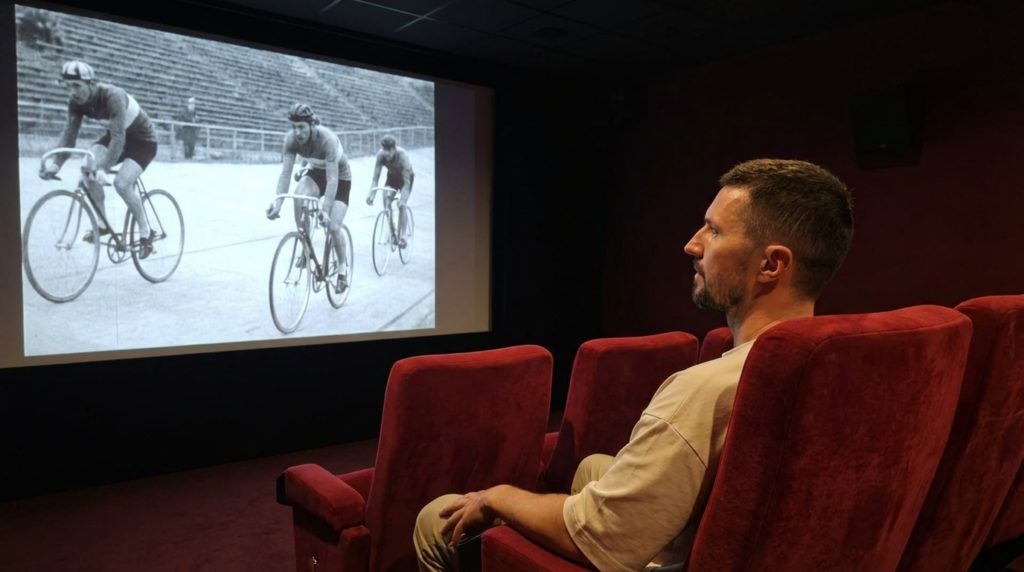
Not much time passed between the invention of the bicycle and the question of which bike and which rider were the fastest. In this article I’ll tell the story of road cycling races.
#The first bike race
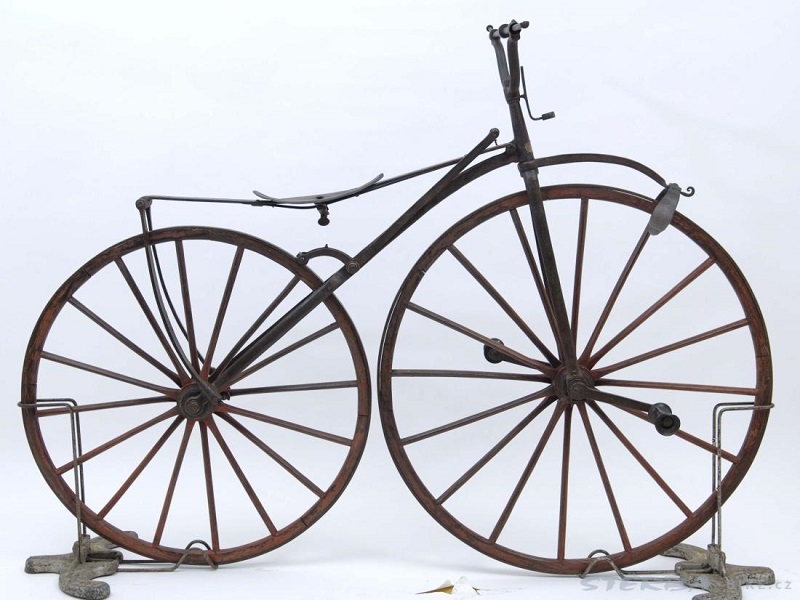
Cycling as a sport begins in France on 31 May 1868. On that day, in the park of Saint-Cloud on the outskirts of Paris, the first documented bicycle race took place over a distance of 2 km. The winner was 19-year-old Englishman James Moore, riding a heavy wooden bicycle with solid rubber tyres. A Favre bicycle, known as a “boneshaker”, is believed to have been the machine the winner rode in that race. One hundred of this model were made in 1868.
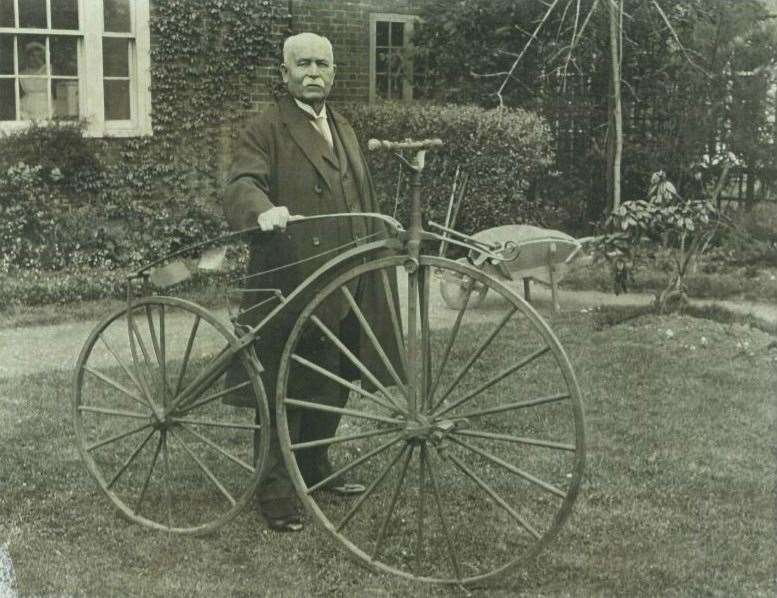
Women were at the forefront of the cycling movement: the first women’s race, with just four participants, was held in Bordeaux on 1 November 1868. The winner was awarded a gold watch by the organisers.
A year later (in 1869) the first intercity race took place, from Paris to Rouen — a distance of 123 km. James Moore won again, covering the distance in just 10 hours and 40 minutes.
#Paris — Brest — Paris (PBP)
The popularity of the bicycle and of cycling grew. The invention of the safety bicycle and pneumatic tyres gave the cycling movement a powerful boost.
6 September 1891 saw the start of a unique event, the first multi-day race: Paris — Brest — Paris. It was organised by the newspaper Le Petit Journal and the Parisian club Audax Club Parisien, and its mastermind was the editor Pierre Giffard, who was looking for a way to boost his paper’s circulation.
At that time the bicycle was only just becoming popular, and the idea of riding 1,200 kilometres seemed crazy to many. Nevertheless, 207 riders (both professionals and amateurs) lined up at the start. Interestingly, not only solo riders took part: ten people started on tricycles, and some rode in pairs on tandems.
The route followed the “Great Western Road” (now Route Nationale 12) through Mortagne-au-Perche, Laval, Saint-Brieuc and Morlaix to Brest and back to Paris. Riders had to check in at 16 control points, getting stamps in special booklets.
The winner of the first multi-day race was Frenchman Charles Terront, who finished after 71 hours 37 minutes without sleep, practically delirious from exhaustion. He rode a Humber bicycle fitted with prototype detachable Michelin pneumatic tyres, which gave him an advantage over riders on solid tyres.
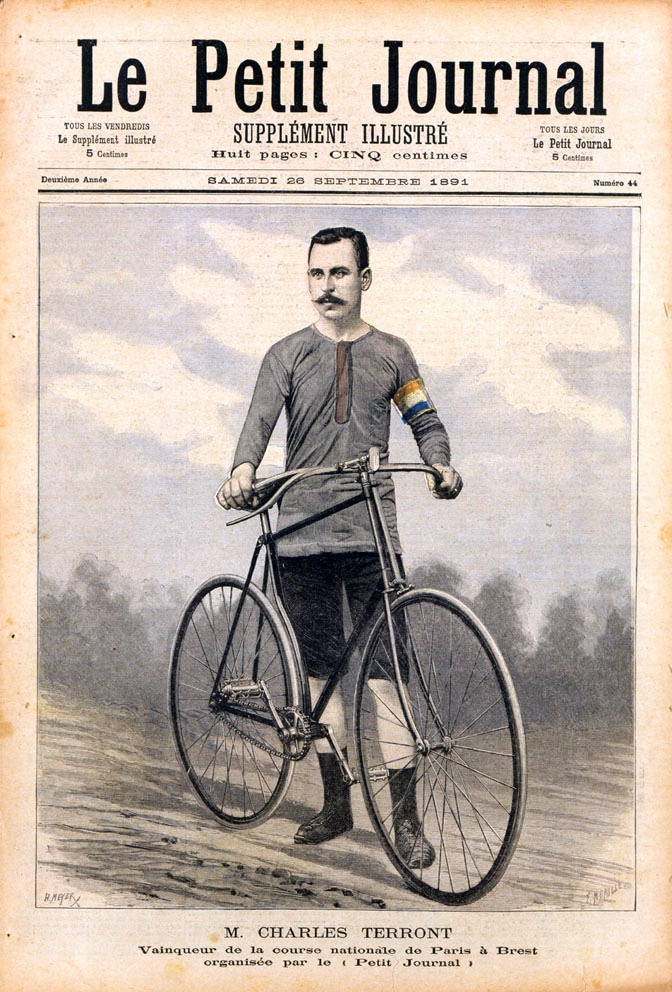
His nearest rival, Jiel-Laval, was only 8 minutes behind — unlike Terront, he had stopped to sleep on the last night.
Terront punctured five times, but thanks to the replaceable Michelin tyres (which could be changed right on the road with simple tools) he was able to carry on and win the race. It was excellent publicity for Michelin.
Of the 207 starters, 99 riders reached the finish.
PBP has survived to this day. Today Paris — Brest — Paris is not a race in the strict sense but an ultra-distance brevet held every four years. Its main goal is not to beat rivals but to test yourself and push beyond your own limits.
Participants have to ride about 1,200 km within 90 hours.
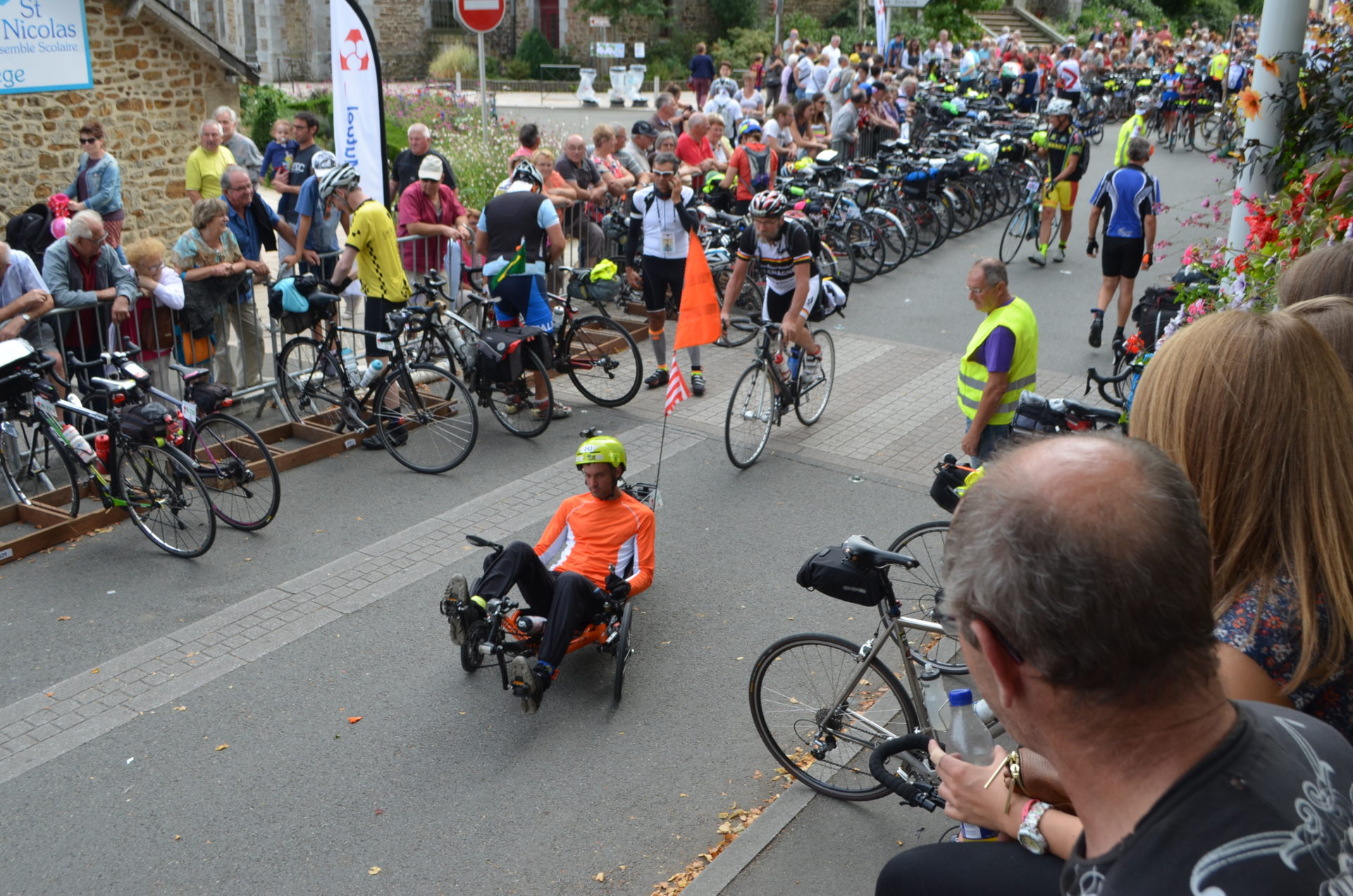
The event is fully self-supported. Participants decide for themselves when and where to sleep, eat and repair their bikes. Help from support vehicles is forbidden; you can rely only on yourself and the food stops at the control points.
To qualify for the start, you must complete the so-called Super Randonneur series in the same year: brevets of 200, 300, 400 and 600 km within the set time limits.
#Paris — Roubaix
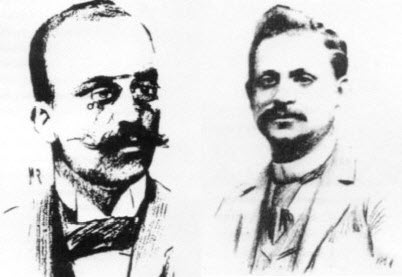
It all began in 1895, when two textile manufacturers from the French town of Roubaix, Théodore Vienne and Maurice Perez, built a velodrome. To attract the public to their new venue, they came up with a grand show — a race from Paris to their velodrome in Roubaix.
The idea was backed by the sports newspaper Le Vélo, which took on the organisation and acted as the race’s media sponsor.
On 19 April 1896, 51 riders set off from Porte Maillot in Paris to cover almost 280 km. The first winner was the German Josef Fischer, who finished after 9 hours and 17 minutes and received prize money of 1,000 francs. He remains the only German ever to have won this race.
Paris — Roubaix is a one-day road race held every year in mid-April in northern France. It is part of the most prestigious series of races and is one of the oldest, hardest and most respected classics in the world. The main feature of the course is its surface: while almost all roads in the world have long been paved with tarmac, the Paris — Roubaix route deliberately preserves its historic cobblestones (about 55 of 260 km).
#Tour de France
The history of bike racing just can’t leave France. On 20 November 1902, Géo Lefèvre, a young journalist at the sports newspaper L’Auto, suggested to his editor Henri Desgrange the idea of organising a bike race that would help the paper win the competition against the more popular Le Petit Journal (the very paper that ran Paris — Brest — Paris).
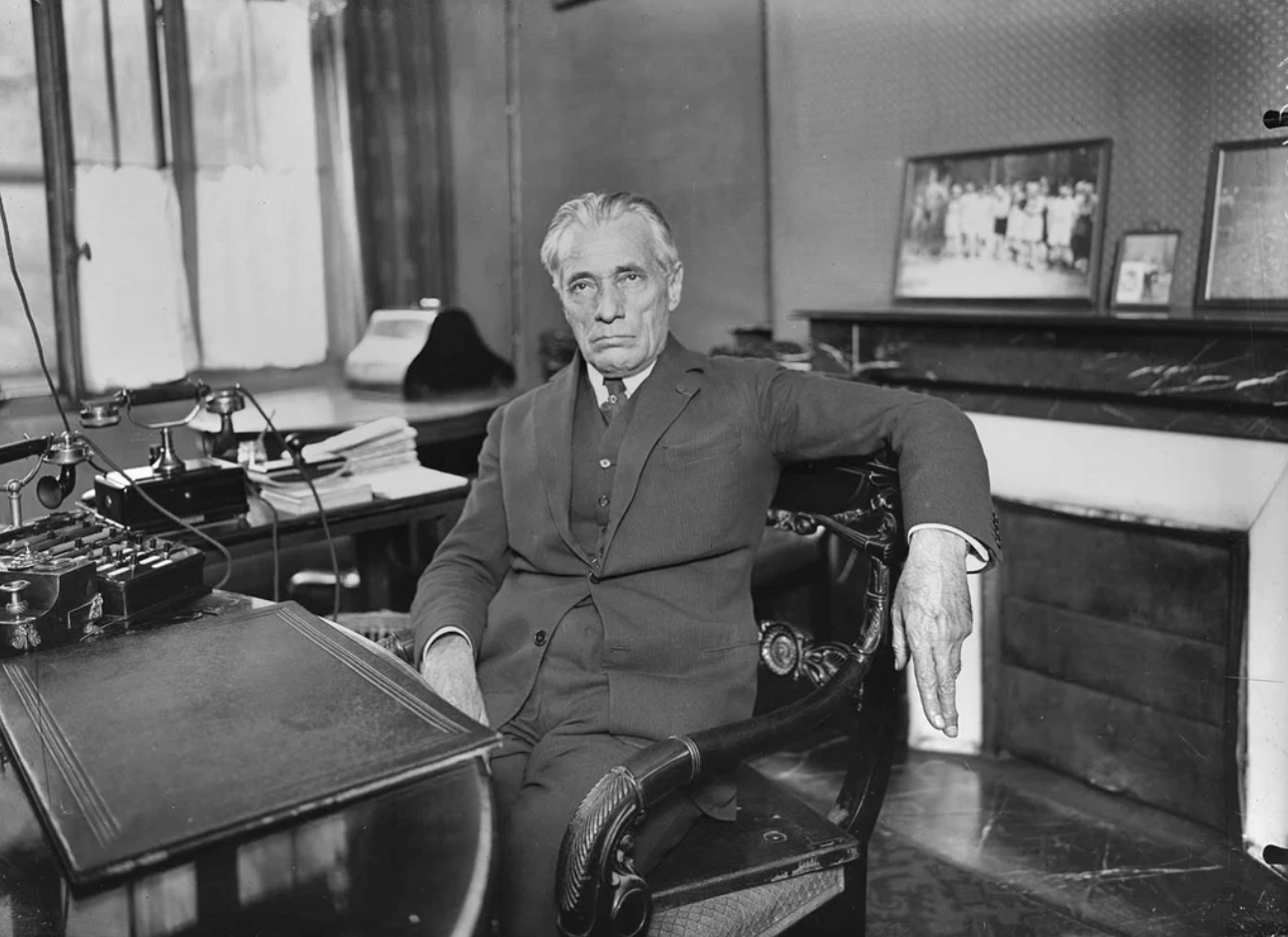
Desgrange approved the project after the paper’s financial director confirmed the money was there, although he was initially very sceptical. In January 1903 L’Auto announced the Tour de France race: a distance of 2,428 km divided into 6 stages.
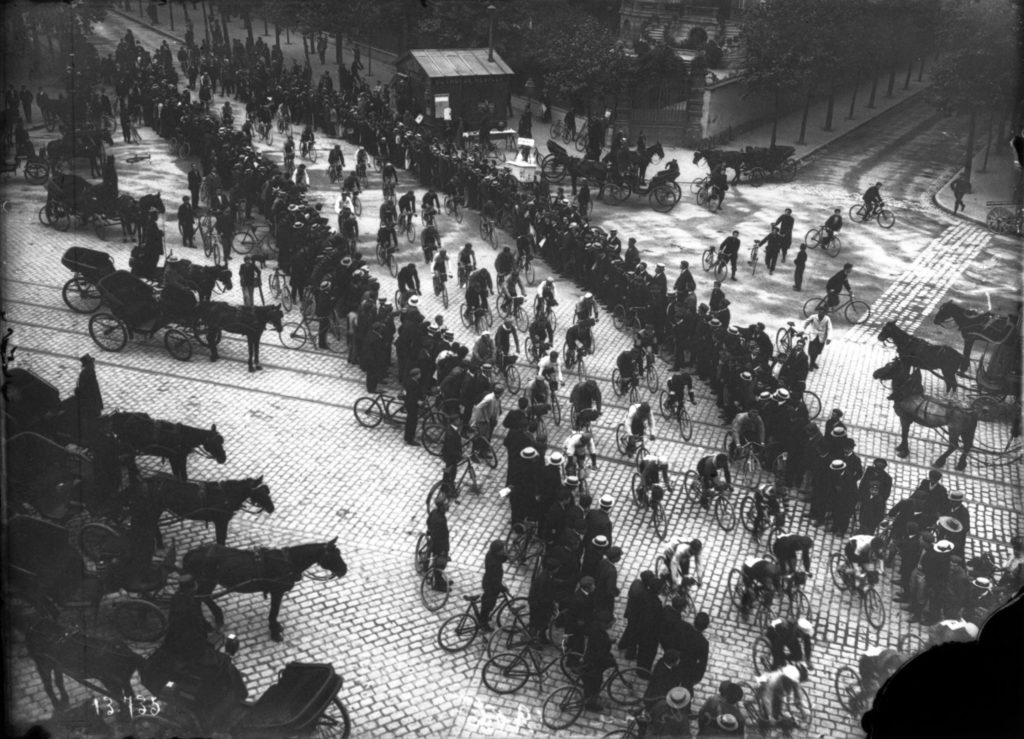
The multi-day race started on 1 July 1903 outside the Réveil-Matin café and finished on 19 July at the Parc des Princes velodrome in Paris.
The first winner in history was former chimney sweep Maurice Garin, who not only won the overall classification but also won three stages. His margin over the runner-up, Lucien Pothier, was 2 hours 59 minutes and 21 seconds — still the largest gap between first and second place in the history of the Tour.
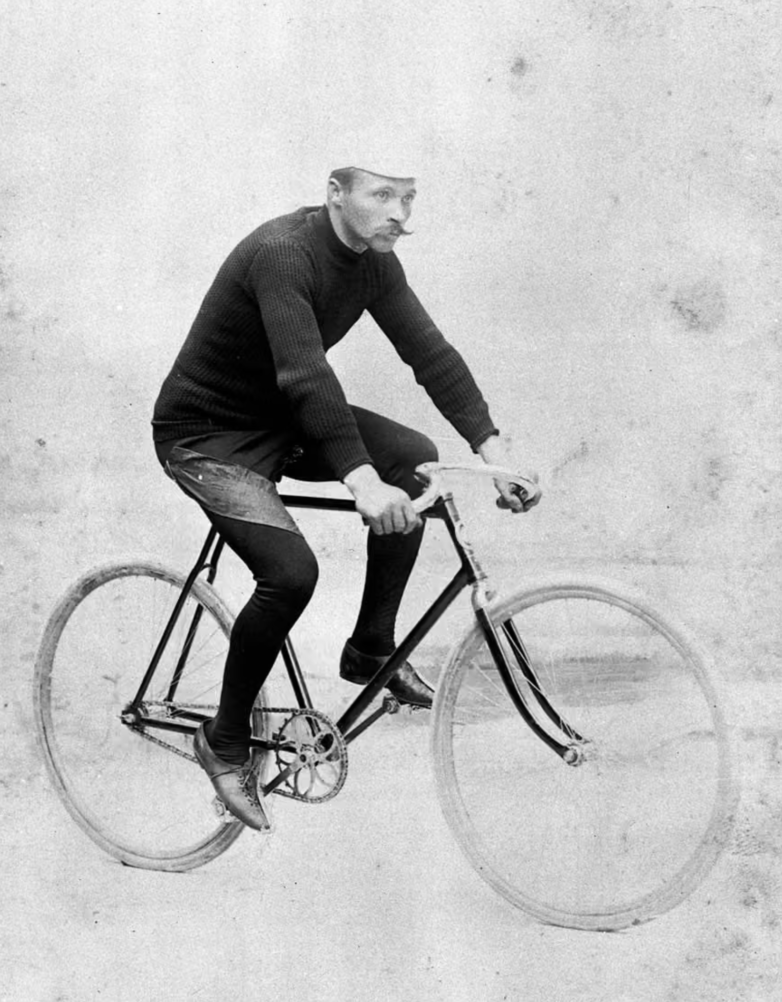
His prize money was 6,075 gold francs — about 22 million roubles at today’s rates.
L’Auto’s circulation soared from 25,000 to 65,000 copies, fully justifying the organisers’ plan. The Tour de France became an annual event. By 1923, daily sales during the race reached 500,000 copies.
#The rules of the first Tours de France
The history of the Tour de France rules and the regulations of the Union Cycliste Internationale (UCI) is a journey from the chaotic, almost “wild” races of the early 20th century to a strictly regulated, high-tech sport.
The first Tour in 1903 laid down traditions, while the UCI, founded earlier in 1900, gradually became the main architect of modern rules, standardising everything from the weight of the bike to riders’ behaviour on the road.
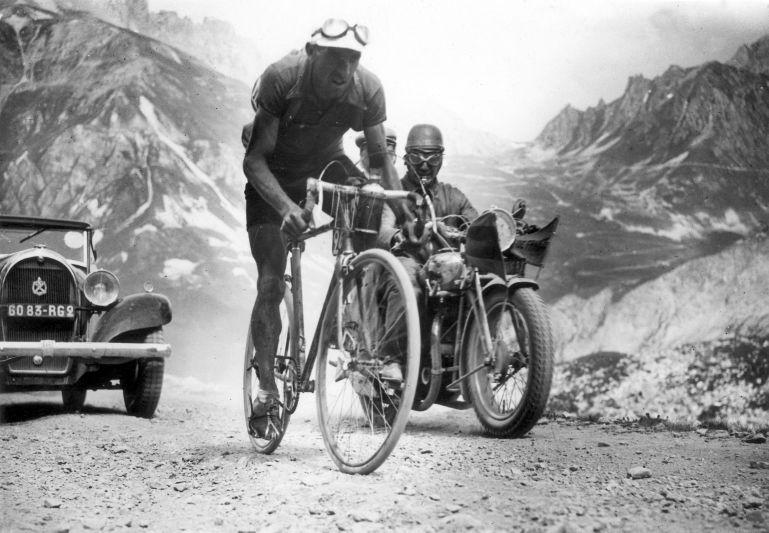
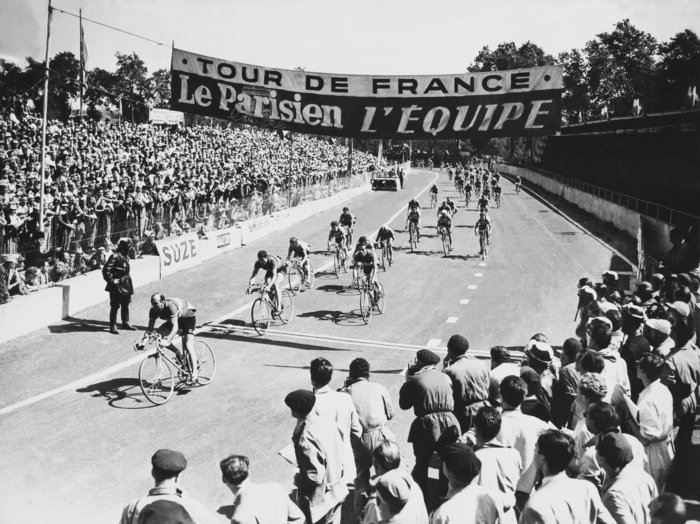
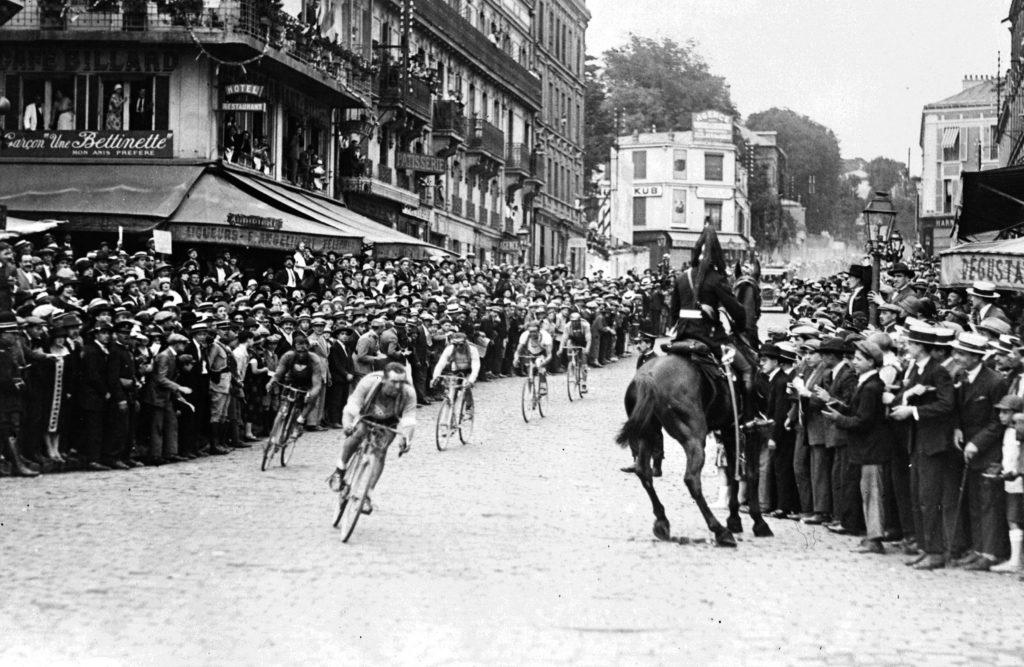
The 1903 Tour de France was radically different from today’s. It was not just a race but a harsh test of survival whose rules were only just taking shape.
#The main rules of the first Tour de France in 1903
Riders competed strictly as individuals; there were no teams.
A rider who abandoned a stage could start the next one but lost the right to compete in the general classification. This allowed riders to keep fighting for stage wins, as Hippolyte Aucouturier did, winning two stages after abandoning the first.
Overtaking rivals by using the aerodynamic slipstream of cars or motorcycles was strictly forbidden, as was sitting on the wheel of a rider in front. Athletes had to rely only on themselves.
Riders had to repair their bikes themselves, with their own tools.
The stages were incredibly long — about 400 km on average. To finish in daylight, some stages started in the middle of the night or even the evening before. For example, the final, 6th stage of 1903 started at 9 pm.
The winner was decided not by time but by points awarded for stage placings (the rider with the lowest total led).
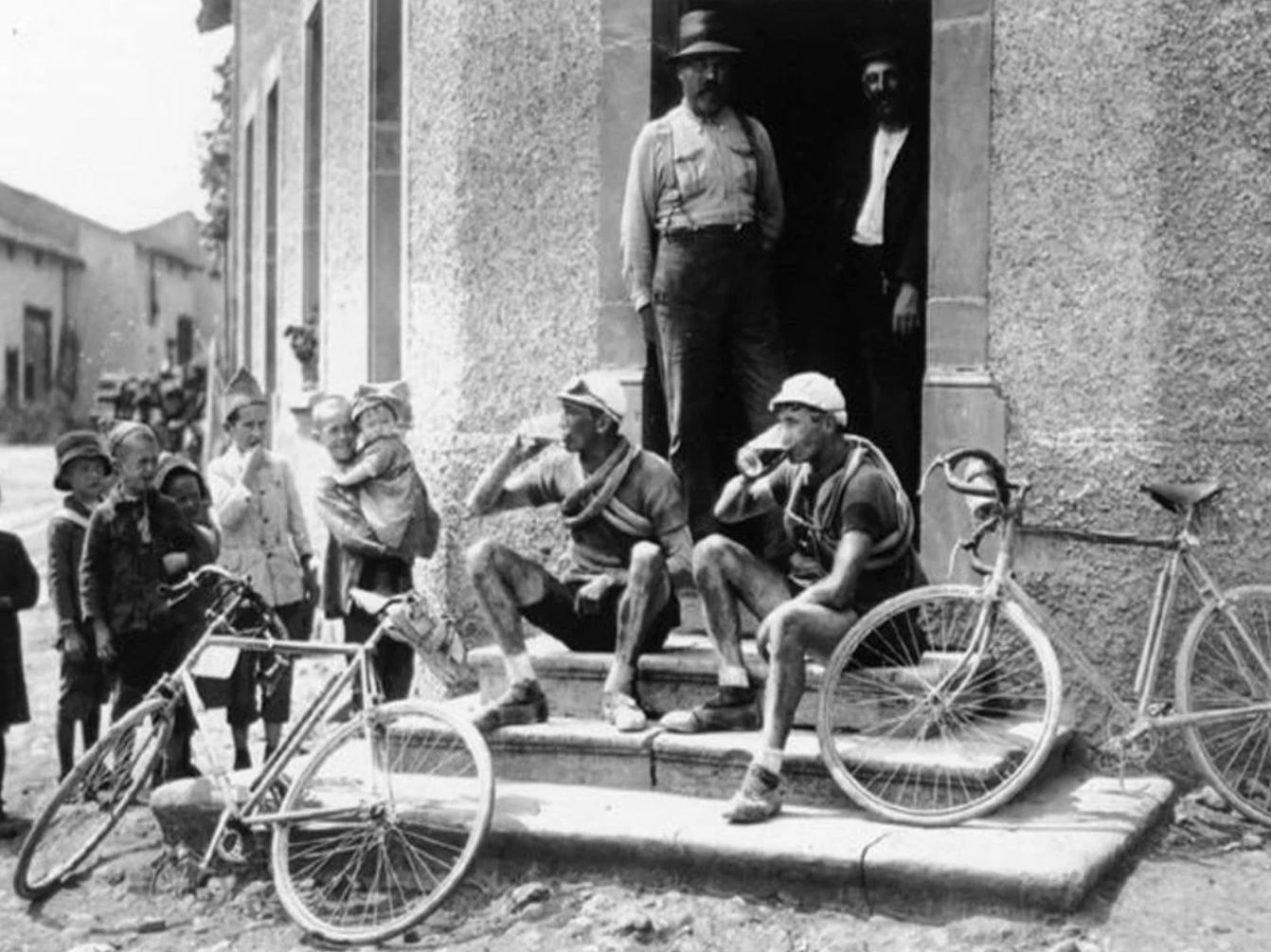
The organisers were not responsible for the riders’ food and lodging — that was each participant’s own problem. Moreover, in the early decades the use of stimulants (cocaine, amphetamines, ether), which are now classed as narcotic drugs whose use and distribution are prohibited by law, was legal and considered a normal way to keep up one’s strength.
Participation was paid. The entry fee was initially 20 francs, but because of the small number of entries it was cut to 10 francs to attract more riders.
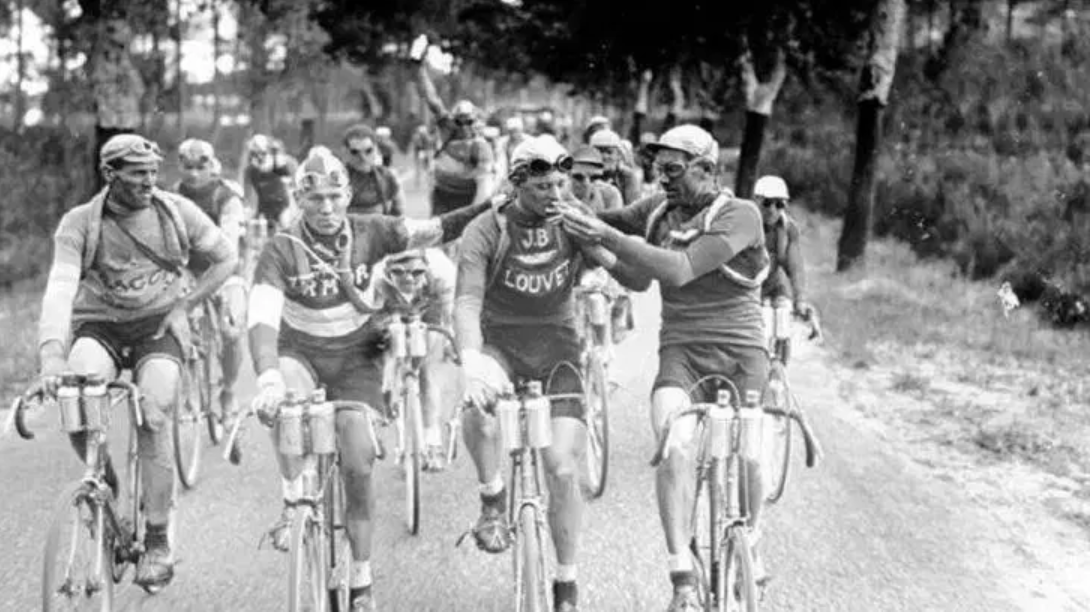
#How the rules evolved after the first Tour
The second Tour de France almost killed off the very idea of the race because of mass scandals: fans scattered nails on the roads and attacked riders to help their local heroes and hinder their rivals, while the riders themselves used cars and trains. After that the organisers increased the number of stages, shortened them and abolished night starts to tighten control.
In 1919 the famous yellow jersey (maillot jaune) was introduced to mark the race leader. Its colour was chosen in honour of the pages of the organising newspaper L’Auto, which was printed on yellow paper.
#The ban on derailleurs
The ban on gear changing at the Tour de France lasted until 1937. It was introduced after the First World War, when Desgrange, eager to preserve the “purity” of the race, banned any use of multi-speed drivetrains, even though they had been invented back in 1906.
While derailleurs were already widely used in all other competitions, Tour de France riders had to show engineering ingenuity to adapt to difficult terrain somehow. They found a peculiar compromise.
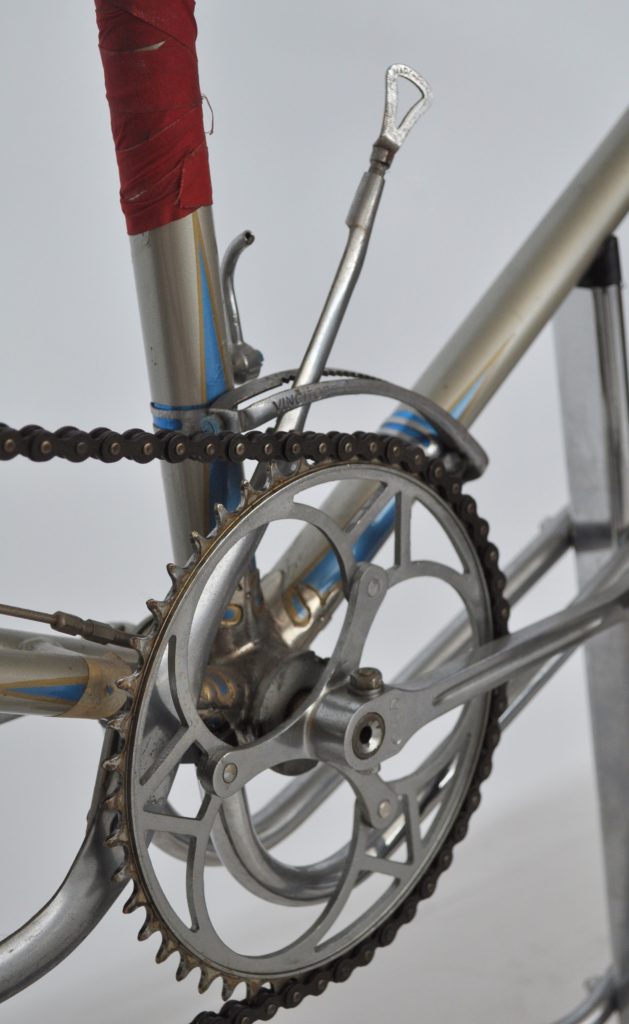
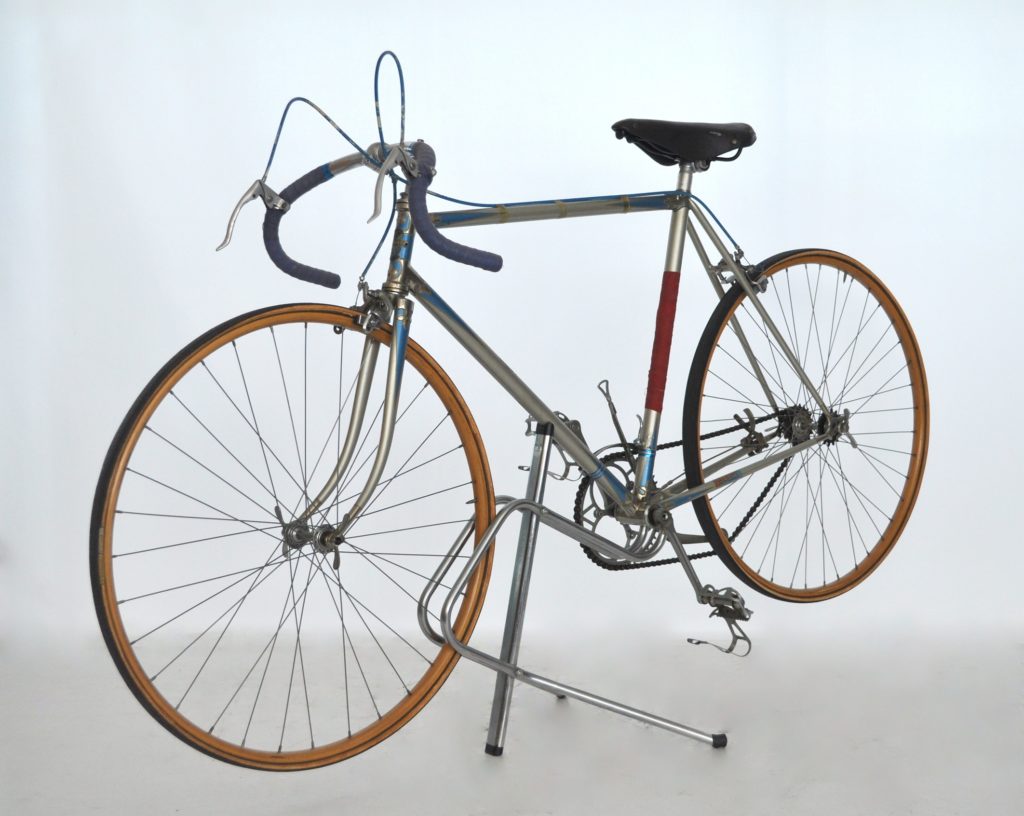
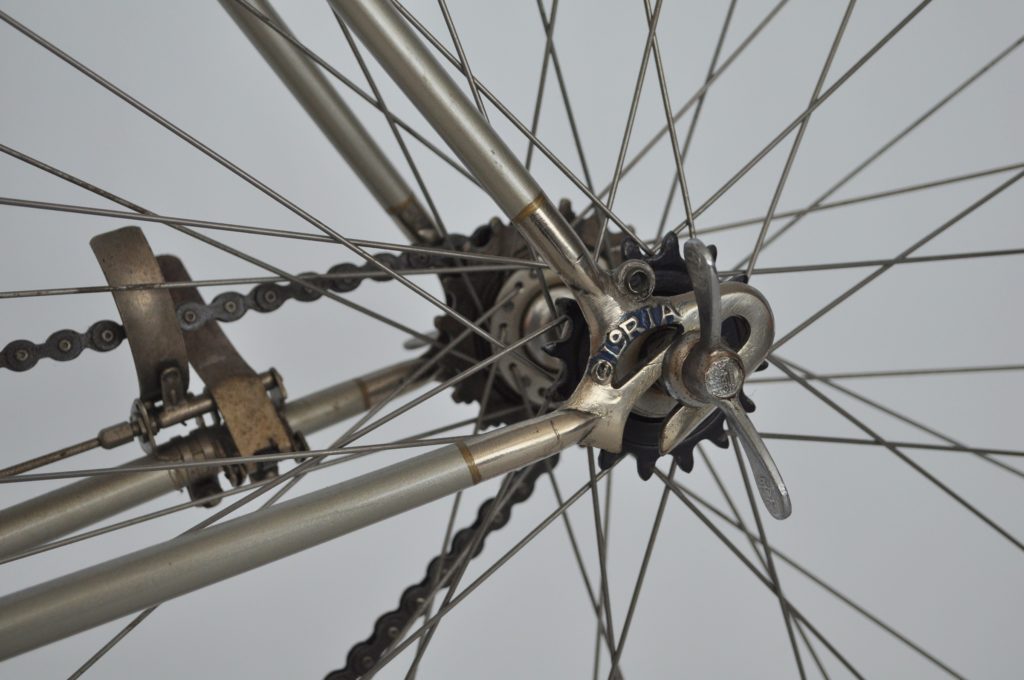
A typical 1920s Tour de France bike had a rear wheel with freewheels on both sides. Each side carried two sprockets of different sizes (sometimes three on one side and one on the other).
To change gear, a rider had to stop completely, remove the wheel, flip it to the other side and refit it. It was an entirely manual process that cost precious seconds and considerable effort, especially on cold Alpine passes. To speed things up, riders fitted their wheels with wing nuts that could be loosened and tightened by hand, without tools.
#Giro d’Italia
From France we move to Italy. The history of the second most important race, the Giro d’Italia, began in 1908 following a pattern we already know: the newspaper La Gazzetta dello Sport and its editor Tullo Morgagni, inspired by the success of the Tour de France, which had multiplied the circulation of the French paper L’Auto, proposed to the paper’s owners that they organise a large-scale race around Italy.
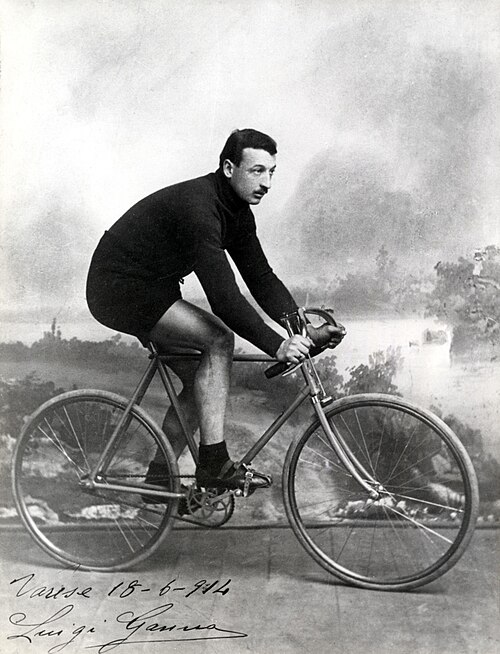
On 13 May 1909, at 2:53 am, 127 brave riders set off from Piazzale Loreto in Milan. The first Giro d’Italia consisted of 8 stages with a total length of 2,448 km. Only 49 riders reached the finish in Milan. The winner was the Italian Luigi Ganna, who received a prize of 5,325 lire. As in the first Tours de France, the Giro winner was decided not by time but by a points system.
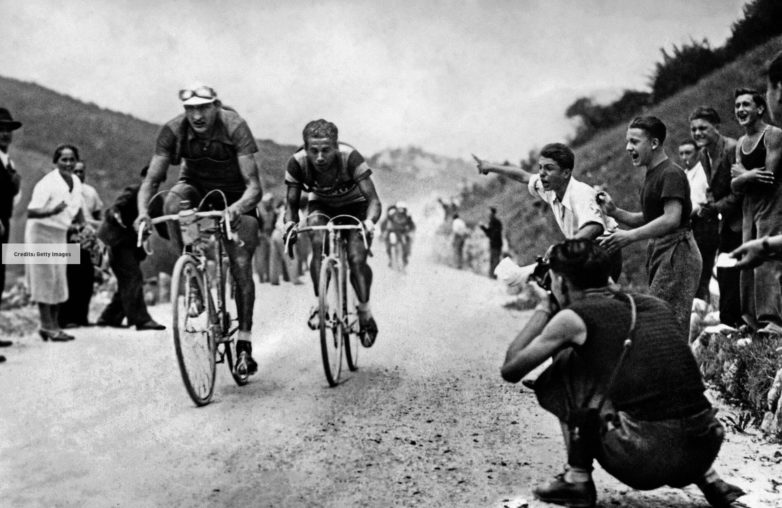
In 1912 a unique team classification was held (won by Atala), but the following year the race returned to individual standings. The general classification by time that we know today was introduced in 1914.
The pink jersey — the symbol of the leader — appeared in 1931. Its colour was chosen in honour of the pink pages of the organising newspaper La Gazzetta dello Sport.
Over time the Giro ceased to be an exclusively Italian event. Since 1965 the race has repeatedly started abroad: in San Marino, Monaco, Belgium, the Netherlands, Denmark, Ireland and even Israel (2018). This underlines its international status and popularity. Today the Giro d’Italia is a three-week race of 21 stages and the second most important Grand Tour in the world.
#An Olympic sport
Since the 1896 Olympics in Athens, cycling has been an integral part of the Games. Women first took to the Olympic road course only in 1984, and to the track in 1988.
However, for a long time the Olympic cycling programme was unstable: for example, in 1900 only track races were held, and in 1904 and 1912 only road races.
#The history of bike racing in Russia
As we can see, the geography of road cycling’s development revolves around France and Italy. So what was happening in Russia at the time?
The Russian Empire was not lagging behind either. The birth date of cycling as a sport in Russia is considered to be 24 July 1883. On that day the first documented bicycle race took place at the Moscow Hippodrome on Khodynka Field. The event marked the beginning of rapid development. A year later the first official amateur cyclists’ societies appeared in Moscow and St Petersburg.
In 1895 the first 700 km intercity road race was held between St Petersburg and Moscow.
Unfortunately, the bicycle remained a toy for the wealthy. Its price (300–400 roubles) equalled a worker’s annual earnings, while a horse cost 35 to 50 roubles at the time. So the members of the societies were mainly aristocrats, merchants and industrialists. In 1895 in Tambov, only young men aged 21 and over from the nobility, officialdom or the merchant class could join the “Society of Cycle Tourists”.
#The Soviet period
After the October Revolution, cycling became a truly mass sport. The first USSR championship was held in 1923 at the Moscow Hippodrome with 80 riders. In 1927 women were officially admitted to competitions. New tracks were built and multi-day road races held.
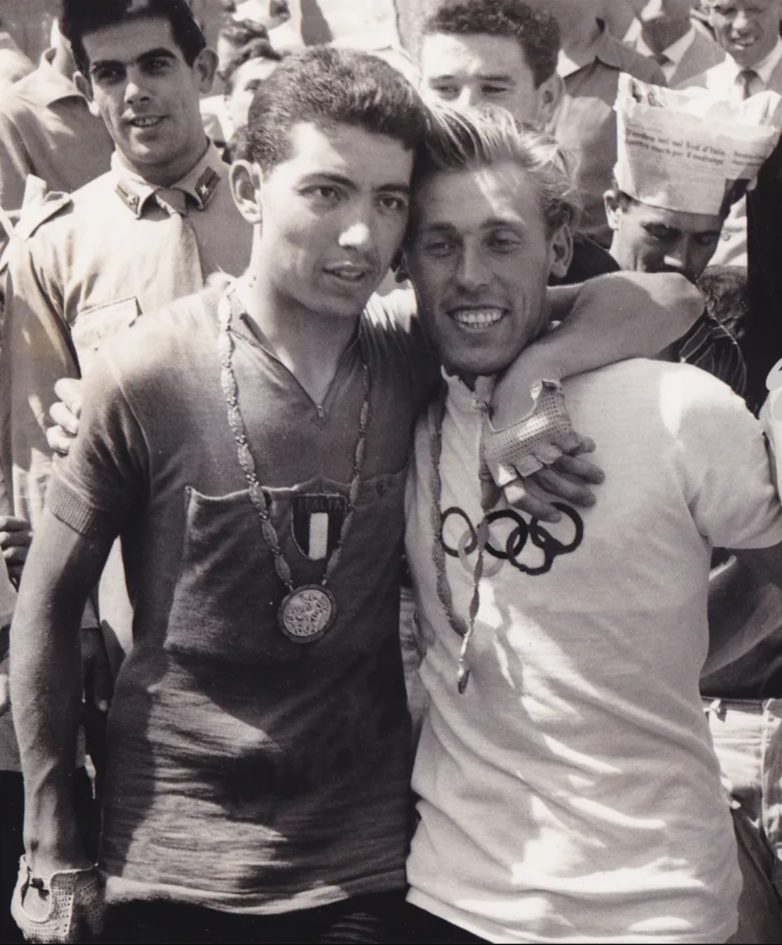
The USSR joined the Union Cycliste Internationale (UCI) and first competed at the Olympic Games in 1952. The first Olympic gold in cycling took two more Olympics to arrive, in 1960 in Rome: Viktor Kapitonov won the road race, beating the home favourite, Italian Livio Trapè, in the finish. In the same year Rostislav Vargashkin, Boris Vasilyev and Vladimir Leonov took bronze.
#The modern period
Bike racing is not limited to the track and the road. Over more than a century, many disciplines have appeared.
Cyclo-cross — races over rough terrain with natural obstacles. It originated in Europe in the early 20th century. The first world championship was held in 1950, and Belgians have dominated it for many years. In the USSR, cyclo-cross was especially popular in the 1930s–50s and was part of the GTO fitness standards.
Mountain biking — off-road races that demand masterful technique. It became an Olympic sport in 1996.
BMX — tricks on special small bikes. It joined the Olympic programme in 2008.
Gravel — the youngest cycling discipline, gaining popularity in the 21st century. These are long-distance races (100–300 km) on mixed surfaces — gravel, dirt roads and tarmac.


Comments
No comments yet. Ask a question or share your experience — the author replies.